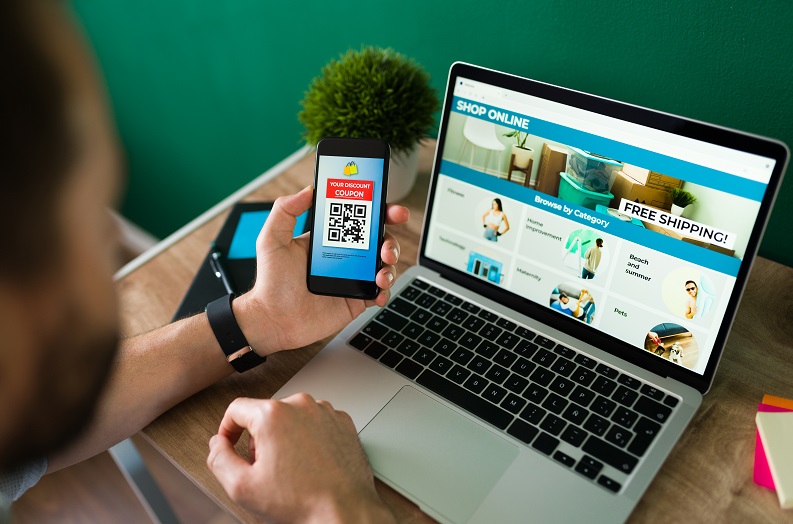
Holiday shopping means a lot of people are out buying things. They expect everything to go smoothly. If small problems happen, it can cause stores to lose sales.
For Shopify store owners in 2026, getting ready for the holidays is not about offering discounts.
It also includes:
- Being technically ready
- Planning inventory carefully
- Marketing, to the people
- Making sure the shopping experience is easy and smooth
All these steps help Shopify merchants to prepare for holiday shopping.
Review Last Year’s Performance Before Making New Plans
Many store owners dive into campaign creation without looking at past performance. Historical data can show patterns that help make better decisions. You need to:
- Look beyond total revenue.
- Identify which products made the most profit.
- Determine which marketing channels brought in repeat customers.
- Find out where visitors left the purchasing process.
For example, if a skincare bundle consistently sold better than individual products in December, instead of increasing ad spending for all products, promoting similar bundles could yield better results with less effort.
Eliminate Friction Across the Website
Holiday shoppers seldom have patience for slow pages, confusing navigation, or broken links. A store that is easy to browse has a much better chance of turning visitors into buyers. Run a complete audit of your Shopify store and check for:
- Outdated apps that slow performance
- Large image files
- Broken redirects
- Complicated menu structures
- Poor mobile responsiveness
Consider a shopper browsing your site while commuting or waiting in line. If product pages take too long to load, that customer is unlikely to wait.
Build Inventory Plans Around Demand Signals
Figuring out how much stock you need is a lot simpler when you look at a lot of different information. Looking at how many things you sold before is really helpful, but it should not be the only thing you think about.
You should pay attention to these things:
- Things that are popular in your business
- How long does it take for your suppliers to deliver
- When you are going to run promotions
When you are going to launch products
For example, a store that sells home decor items might think that a lot of people will want to buy certain things as gifts during the holidays. So they might want to get those things in stock more than they usually do. This way, they can avoid running out of things when a lot of people want to buy them. This helps the home decor retailer with stock requirements. They can get the things they need. Managing stock requirements is important for the home decor retailer.
Prioritize Mobile Usability
A growing share of holiday purchases happens on mobile devices, meaning every stage of the shopping journey should work seamlessly on smaller screens.
Test key actions such as:
- Product searches
- Collection browsing
- Cart updates
- Payment completion
Even details like button placement and form fields can influence whether a customer completes an order.
Simplify Checkout Wherever Possible
A lengthy checkout process creates unnecessary barriers. Every extra step introduces another opportunity for abandonment.
Reducing complexity often involves:
- Offering guest checkout
- Enabling digital wallets
- Displaying delivery costs early
- Providing multiple payment methods
Clear communication is equally important. Customers appreciate knowing exactly when an order will arrive and whether additional charges apply.
Create Momentum Before Peak Shopping Dates
Waiting until Black Friday to start marketing is often too late. Building anticipation beforehand can increase engagement and improve campaign performance.
Email sequences, sneak peeks, waitlists, and early-access promotions can generate interest weeks before major shopping events.
A clothing brand, for instance, might release a holiday collection preview to subscribers before opening sales to the public. This approach rewards loyal customers while creating urgency.
Strengthen Support Resources
As order volumes increase, so do customer questions. Fast access to information helps shoppers make purchasing decisions with confidence.
Review help center content and ensure it covers topics such as:
- Delivery timelines
- Return procedures
- Product availability
- Gift options
Adding automated responses for common inquiries can reduce pressure on support teams while maintaining responsiveness.
Turn Seasonal Buyers Into Long-Term Customers
The holiday rush is over. That’s not the end of talking to your customers.
It’s actually the start of keeping them coming back.
You can do this with emails after they’ve bought something, rewards for customers, suggestions for products they might like, and special deals that make them feel valued.
These tactics can help customers buy from you again and again throughout the year.
Many businesses see the holidays as a time to make a quick sale, but the ones that plan for long-term growth do better.
They don’t just think about marketing and getting ready for the season; they also think about how to make their online stores better.
To handle visitors and make sure their stores work well, some businesses look into technical solutions like Shopify website development services.
This helps them keep up with what customers want and have room to grow in the future. By doing this, businesses can make sure they’re ready for what’s next, not for the holiday rush.